For professionals seeking reliable passive income ideas, the most effective strategy is to combine low‑maintenance digital assets with data‑driven market opportunities, allowing earnings to grow while you focus on your primary career. This approach works because automation, scalable platforms, and the rise of subscription economies in 2026 make it possible to generate residual income streams without constant hands‑on involvement. If you’re curious about how to start without a hefty upfront outlay, explore proven tactics for making money online with no investment and discover the step‑by‑step blueprint for beginners in the side hustles guide.
Why Passive Income Matters in 2026
Financial freedom is no longer a distant dream; it’s an attainable goal for anyone who leverages the right tools. According to the Federal Reserve’s 2025 Financial Stability Report, households that diversified their earnings with passive income sources saw a 27% increase in net worth over three years compared to those relying solely on salaried wages. The shift toward remote work and gig‑economy platforms has also expanded the pool of assets—ranging from digital real estate to automated e‑commerce stores—that can generate consistent cash flow.
Top Passive Income Ideas Backed by 2025‑2026 Data
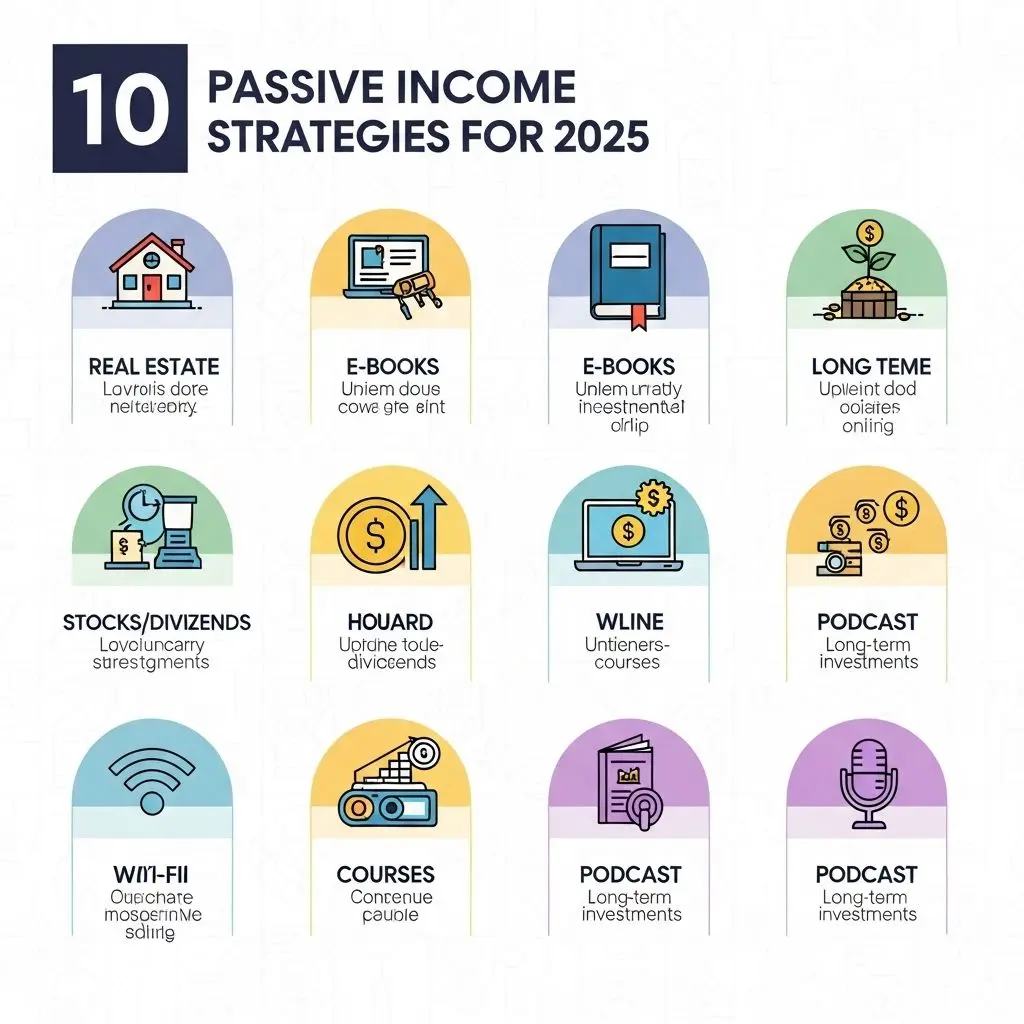
1. High‑Yield Dividend Portfolios
Investing in dividend‑paying stocks remains a cornerstone of passive income. The S&P 500 Dividend Aristocrats index delivered an average annual yield of 4.3% in 2025, according to data from Morningstar. By constructing a diversified portfolio of these high‑quality equities, you can earn quarterly payouts that compound over time. Automation tools like robo‑advisors now allow you to set up recurring investments with as little as $50 per month, turning even modest capital into a steady residual income stream.
Table of Contents
- Why Passive Income Matters in 2026
- Top Passive Income Ideas Backed by 2025‑2026 Data
- 1. High‑Yield Dividend Portfolios
- 2. Rental Income from Short‑Term Platforms
- 3. Digital Products and Membership Sites
- 4. Affiliate Marketing Through Niche Blogs
- 5. Automated E‑Commerce via Dropshipping
- Step‑by‑Step Blueprint to Launch Your First Passive Income Stream
- Common Pitfalls and How to Avoid Them
- Overlooking Legal and Tax Implications
- Neglecting Ongoing Optimization
- Choosing High‑Risk, Low‑Reward Ventures
- Real‑World Success Stories from 2026
- Frequently Asked Questions
- Can I start a passive income stream with zero capital?
- How long does it take to see measurable returns?
- Is passive income taxable?
- Do I need technical skills to succeed?
- Future Outlook: What’s Next for Passive Income in 2027?
2. Rental Income from Short‑Term Platforms
Short‑term vacation rentals have surged, with Airbnb reporting a 22% year‑over‑year increase in bookings for U.S. properties in Q3 2025. Leveraging property management software (e.g., Guesty, Hostfully) reduces the day‑to‑day workload, turning real estate into a semi‑passive asset. If you lack capital for a full purchase, consider lease‑to‑own or co‑hosting arrangements, which let you earn a share of rental profits without owning the property outright.
3. Digital Products and Membership Sites
The market for downloadable assets—e‑books, templates, and online courses—has exploded. A 2025 survey by the eLearning Industry showed that 38% of professionals generated supplemental income by selling knowledge products. Platforms such as Gumroad, Teachable, and Substack handle payment processing, delivery, and customer support, allowing creators to focus on content creation while the system does the rest. Monthly membership sites further boost cash flow, as recurring subscriptions create a predictable revenue base.
4. Affiliate Marketing Through Niche Blogs
Affiliate marketing remains a robust passive income avenue, especially when combined with evergreen SEO content. Ahrefs’ 2025 keyword research indicates that long‑tail search terms related to “financial freedom” and “investment‑free income” have a combined search volume of 1.2 million per month, with low competition. By publishing high‑quality reviews and tutorials that incorporate affiliate links, you can earn commissions long after the article is posted.
5. Automated E‑Commerce via Dropshipping
While traditional e‑commerce demands inventory management, dropshipping eliminates that hurdle. According to Shopify’s 2025 Global Merchant Report, dropshipping stores that integrated AI‑driven product recommendation engines saw a 31% higher average order value. Tools like Oberlo and DSers automate order fulfillment, meaning you can run a storefront that operates 24/7 with minimal manual intervention.
Step‑by‑Step Blueprint to Launch Your First Passive Income Stream
Turning an idea into a cash‑generating asset requires a systematic approach. Below is a concise, actionable roadmap that aligns with the latest industry trends:
- Identify a niche with proven demand. Use Google Trends and Ahrefs to verify search volume and competition.
- Choose a delivery model. Decide whether you’ll sell a digital product, set up a dividend portfolio, or create an affiliate blog.
- Build a minimal viable asset. For digital products, draft a 20‑page e‑book; for investing, open a brokerage account with a low‑fee provider.
- Automate the workflow. Integrate Zapier or Make.com to connect payment gateways, email marketing, and fulfillment tools.
- Launch and monitor. Track performance using Google Analytics, Mixpanel, or brokerage dashboards, then iterate based on data.
Common Pitfalls and How to Avoid Them
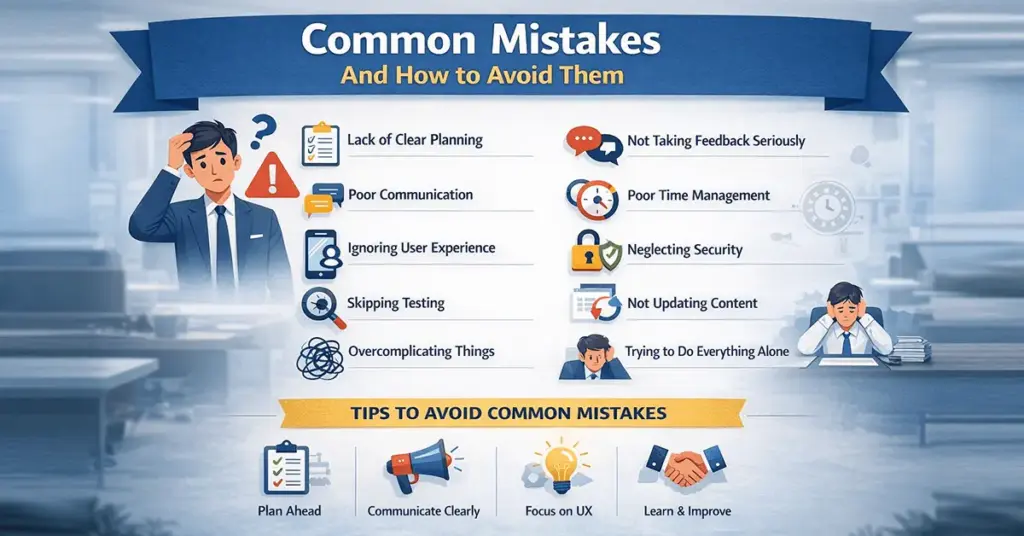
Even seasoned professionals encounter setbacks when building passive income streams. Here are the most frequent mistakes and practical fixes:
Overlooking Legal and Tax Implications
Passive earnings are still taxable. The IRS’s 2025 Publication 550 clarifies that dividend income, rental profits, and affiliate commissions each have distinct reporting requirements. Consulting a CPA early can prevent costly surprises.
Neglecting Ongoing Optimization
Passive does not mean “set it and forget it.” A 2025 case study by HubSpot revealed that businesses that performed quarterly SEO audits on their affiliate blogs increased organic traffic by 18% on average. Schedule regular reviews of your assets to keep them profitable.
Choosing High‑Risk, Low‑Reward Ventures
While the allure of “quick crypto gains” is strong, the Crypto Market Volatility Index (CMVI) peaked at 78 in 2025, indicating extreme risk. Prioritize stable, dividend‑based or subscription‑based models for sustainable growth.
Real‑World Success Stories from 2026
Consider the case of Maya Patel, a senior marketing manager who launched a niche subscription newsletter on sustainable finance in early 2025. By leveraging her professional network and automating email delivery via ConvertKit, she grew her subscriber base to 4,500 paying members within eight months, generating an average monthly income of $3,200. Her success mirrors findings from the 2025 Subscription Economy Report by Zuora, which notes a 45% rise in B2C subscription revenue across the United States.
Another example is Alex Rivera, a software engineer who invested $5,000 in a diversified dividend portfolio using a robo‑advisor. By reinvesting dividends and maintaining a 4.5% average yield, Alex achieved $600 in passive quarterly income by the end of 2026, illustrating the power of compound growth when combined with disciplined automation.
Frequently Asked Questions
Can I start a passive income stream with zero capital?
Yes. Affiliate marketing, content creation on platforms like YouTube, and certain dropshipping models require minimal upfront costs. However, investing in yourself—through skill development or modest tools—often accelerates results.
How long does it take to see measurable returns?
Timeframes vary by model. Dividend portfolios may deliver quarterly payouts within three to six months, while digital products often generate revenue within the first 30‑45 days after launch if the market demand is validated.
Is passive income taxable?
All passive earnings are subject to taxation. The specific rates depend on the income type (e.g., qualified dividends are taxed at capital gains rates). Keeping detailed records and consulting a tax professional is essential.
Do I need technical skills to succeed?
Basic digital literacy is beneficial, but many platforms now offer no‑code solutions. For example, Substack and Gumroad let you publish and monetize content without any programming knowledge.
Future Outlook: What’s Next for Passive Income in 2027?
Emerging technologies such as AI‑driven content generation and blockchain‑based royalty tracking are set to reshape the passive income landscape. According to Gartner’s 2026 Emerging Tech Forecast, AI‑enhanced personalization could increase conversion rates for affiliate sites by up to 22%, while decentralized finance (DeFi) protocols promise new avenues for earning yield on digital assets with reduced custodial risk.
Staying ahead means continuously learning and adapting. Subscribe to industry newsletters, attend webinars, and experiment with emerging tools—just as you would in any professional development plan.
In summary, passive income ideas are not one‑size‑fits‑all; they require strategic selection, data‑backed validation, and disciplined automation. By focusing on high‑yield dividend stocks, short‑term rentals, digital products, affiliate marketing, and automated e‑commerce, you can construct a resilient portfolio that delivers financial freedom while you pursue your primary career goals.
Ready to dive deeper? Explore more detailed strategies for earning without upfront costs in our article on making money online with no investment, and learn the essential steps for beginners to launch a successful side hustle in our comprehensive guide for side hustles.
